
A fix and flip loan funds the purchase and the renovation of an investment property, then gets paid off when you sell. Two numbers decide how much you can borrow: the after-repair value (ARV) and your total cost. Understanding how they interact is the difference between a deal that's fully financed and one that needs a lot of your cash.
Step 1: Know your total cost
Total cost = purchase price + rehab budget
Your rehab budget should be a line-item scope of work, not a round number. Lenders release rehab money in draws as work is completed, so the budget becomes the schedule you're paid against. Leave a contingency, because older DC Metro housing stock tends to hide surprises behind the walls.
Step 2: Support the after-repair value
ARV is what the property will be worth once the work is finished. It should come from recent sales of similar, renovated homes nearby: same property type, similar size and finish level, close in distance and time. In rowhouse markets like DC and Baltimore, values can change block by block, so the closest comps carry the most weight.
Step 3: Apply the two limits
Most lenders cap the loan at a percentage of ARV and at a percentage of cost, and you get the lower of the two. On RevitaLending's Fix & Flip program:
- Leverage goes up to 70% of ARV
- Qualified borrowers can reach 100% of cost when the loan is 65% or less of ARV
| Deal A | Deal B | |
|---|---|---|
| Purchase | $350,000 | $500,000 |
| Rehab | $100,000 | $120,000 |
| Total cost | $450,000 | $620,000 |
| ARV | $750,000 | $800,000 |
| 100% of cost as % of ARV | 60% | 77.5% |
| Result | Fits under 65% of ARV: can be financed at 100% of cost | Over 70% of ARV: loan capped at about $560,000, so plan for about $60,000 of your own cash |
The lesson: the wider the spread between your total cost and the ARV, the less cash you need. Buying right matters more than any loan feature.
How draws work
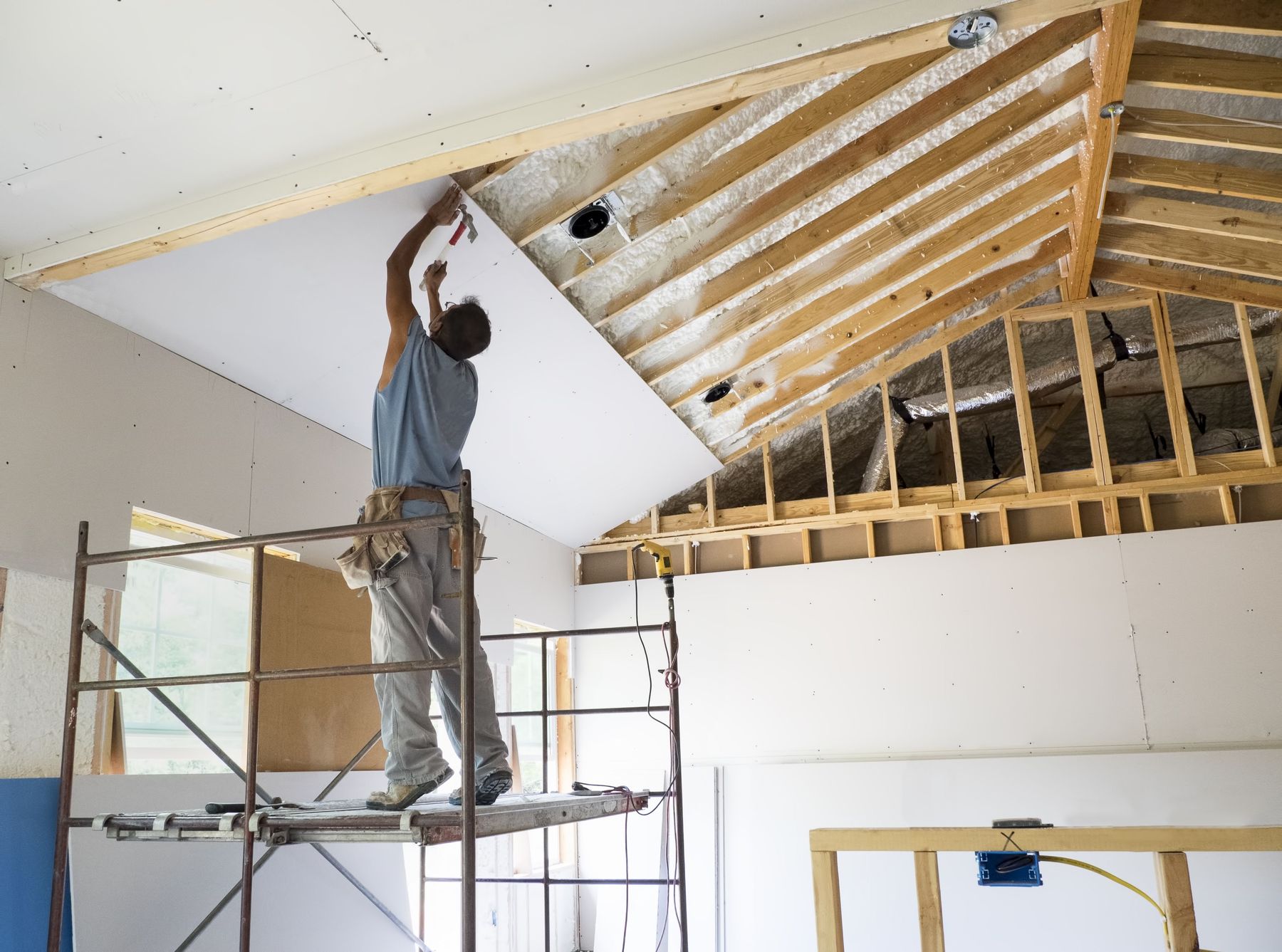
The purchase is funded at closing. The rehab budget is held back and released in draws: you complete a stage of work, request a draw, the work is checked, and funds are released. Plan your contractor payments around that rhythm. A clear scope of work with logical stages (demo, rough-ins, drywall, finishes) makes draws faster.
Interest-only and the term
Fix and flip loans are usually interest-only, and on RevitaLending's program the term runs up to 12 months. Work backward from your sale: renovation time, permits, listing and closing. If your plan needs 10 months, a 12-month term gives you a small buffer. If it needs 13, rethink the scope or the deal.
Credit score and experience
RevitaLending has no minimum credit score on Fix & Flip and considers all experience levels, including first-time investors. Experience still helps: a track record, a strong contractor and a realistic budget all make a file easier to approve and fund.
A quick checklist before you apply
- Signed purchase contract and closing date
- Line-item scope of work and budget, with contingency
- Three to five renovated comps that support your ARV
- Contractor details and expected timeline
- Your exit: list price target and expected days on market
See terms for Fix & Flip Loans or submit your deal. We respond the same business day.
Explore Fix & Flip Loans→This guide is general education, not a loan offer or financial, legal or tax advice. Examples are illustrative. All loans are subject to underwriting approval, and rates and terms can change.